A Narrative Fiscal Consolidation Dataset for Sub‑Saharan Africa
A transparent, narrative-based dataset of discretionary fiscal consolidation episodes in Sub-Saharan Africa, designed for policy analysis, empirical research, and replication.
What it is
Country–year fiscal consolidation episodes identified from narrative evidence in IMF staff reports.
Why it matters
Isolates discretionary fiscal actions more cleanly than mechanical balance-based measures.
Who it is for
Researchers, policy economists, central banks, IFIs, and students of fiscal policy.
Reproducibility-first design
This release is the fixed paper replication dataset associated with the IMF working papers. Future annual updates of the narrative dataset will be released separately and documented through versioned releases.
- Fixed replication dataset:
dataset.dta - Transparent narrative evidence through the Quotes Explorer
- Future annual updates kept separate from the paper replication release
Typical applications
- Estimate fiscal multipliers using narrative identification.
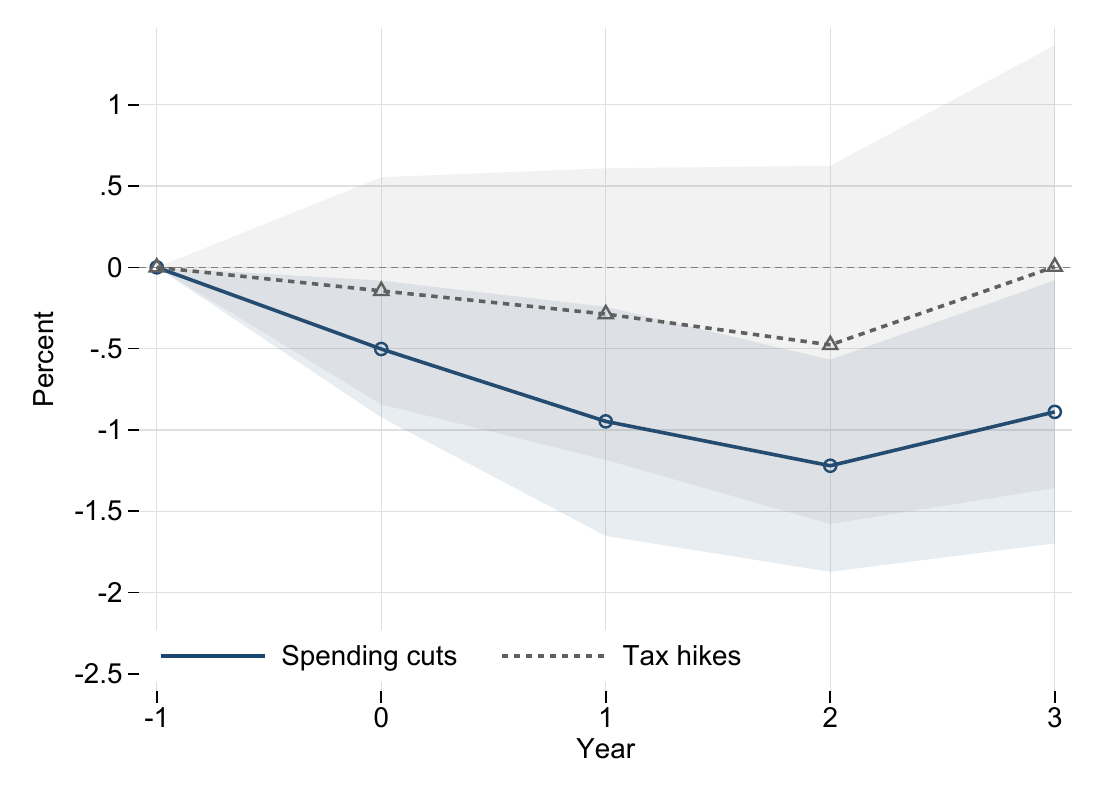
- Compare tax-based and spending-based consolidations.
- Study timing and state dependence of fiscal adjustment.
- Trace country–year episodes back to source text evidence.
Narrative transparency
Every coded episode can be traced back to the underlying text evidence. Each record links a country–year action to the IMF staff report that documents it, together with the dataset’s narrative motivation summary.
“A fiscal consolidation from the tax side amounting to 1.1 percent of GDP, driven by increases in income tax and VAT, and motivated by the objective of reducing the fiscal deficit and public debt and enhancing fiscal sustainability.”
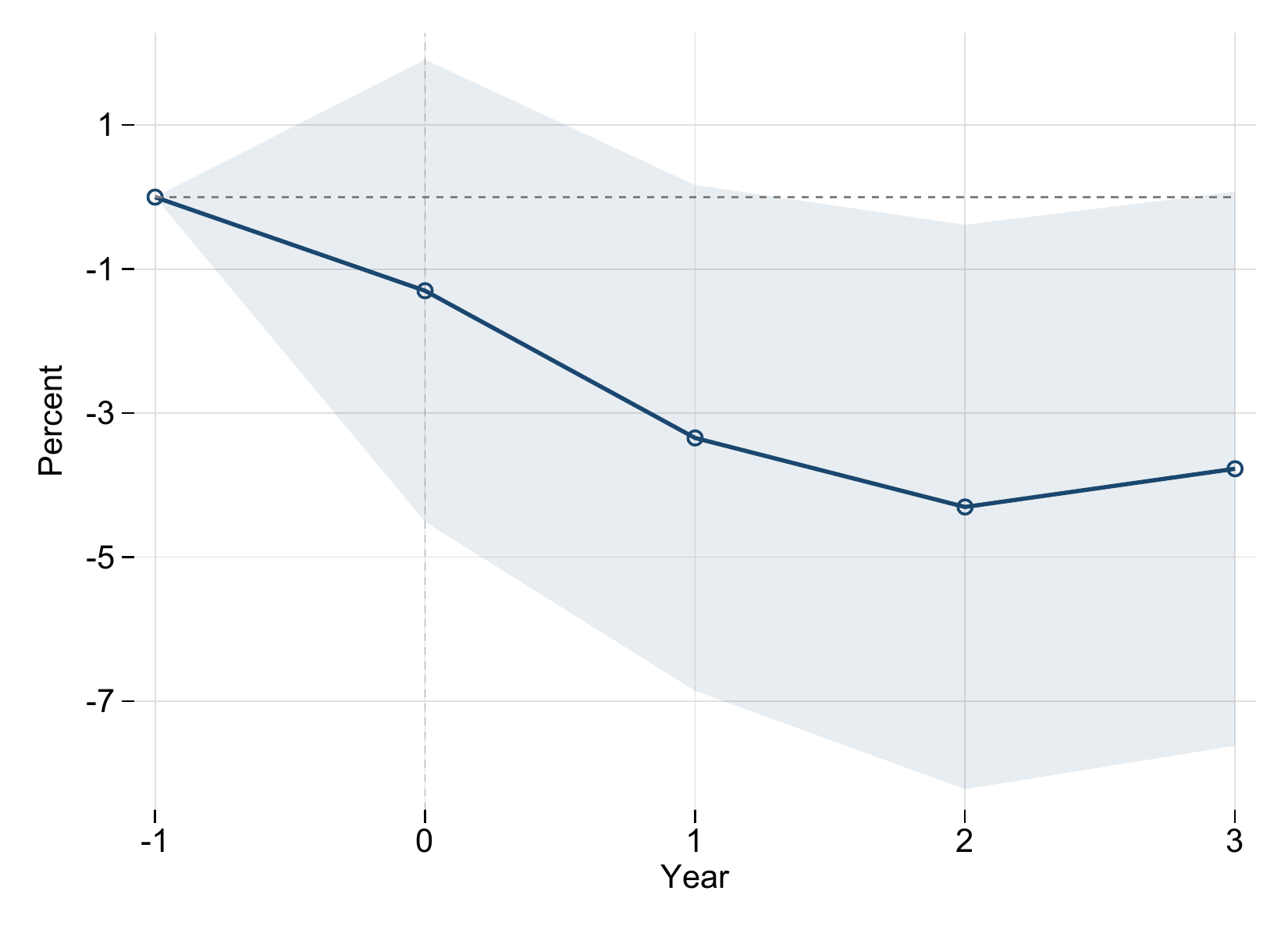
Headline result
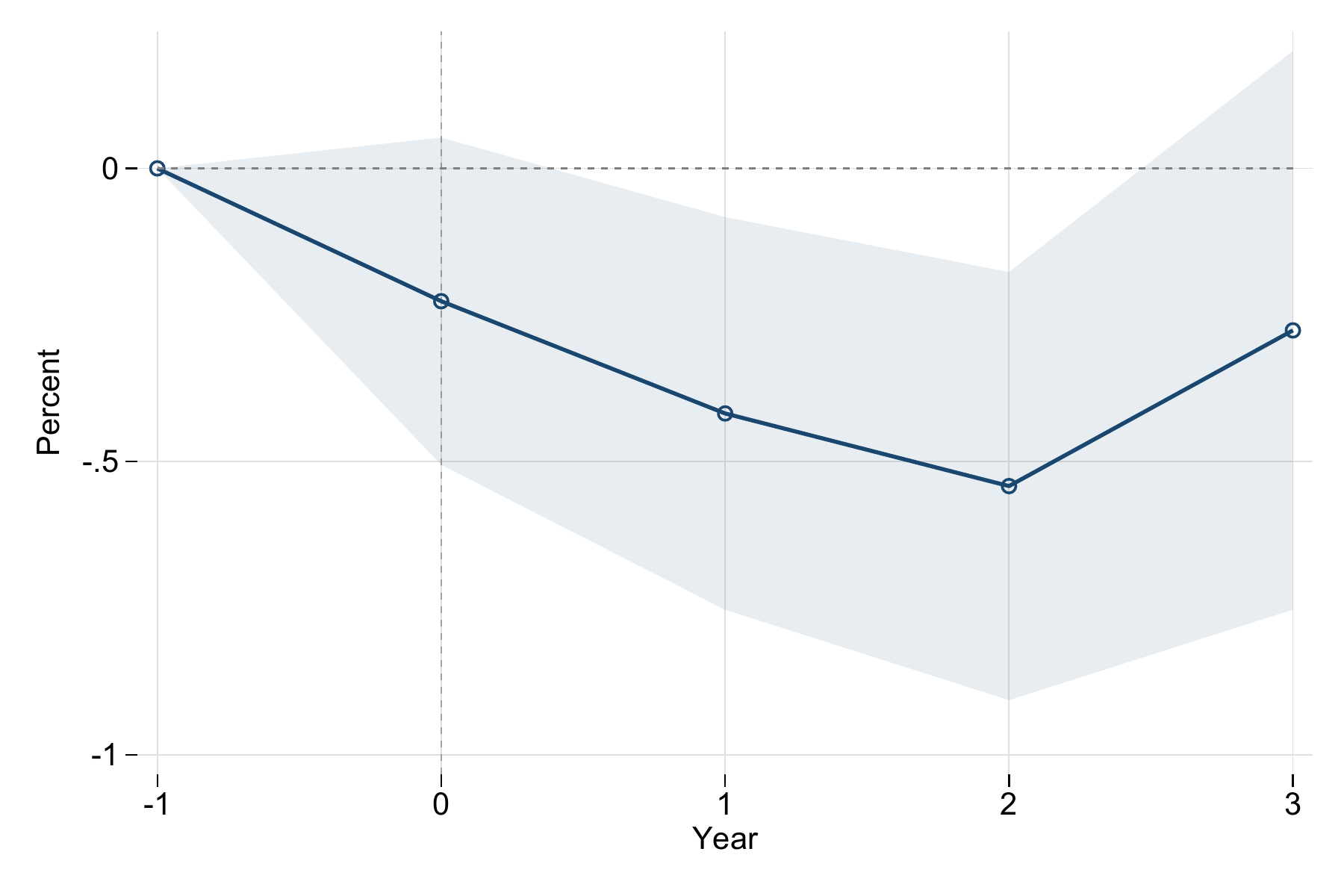
Why narrative identification matters
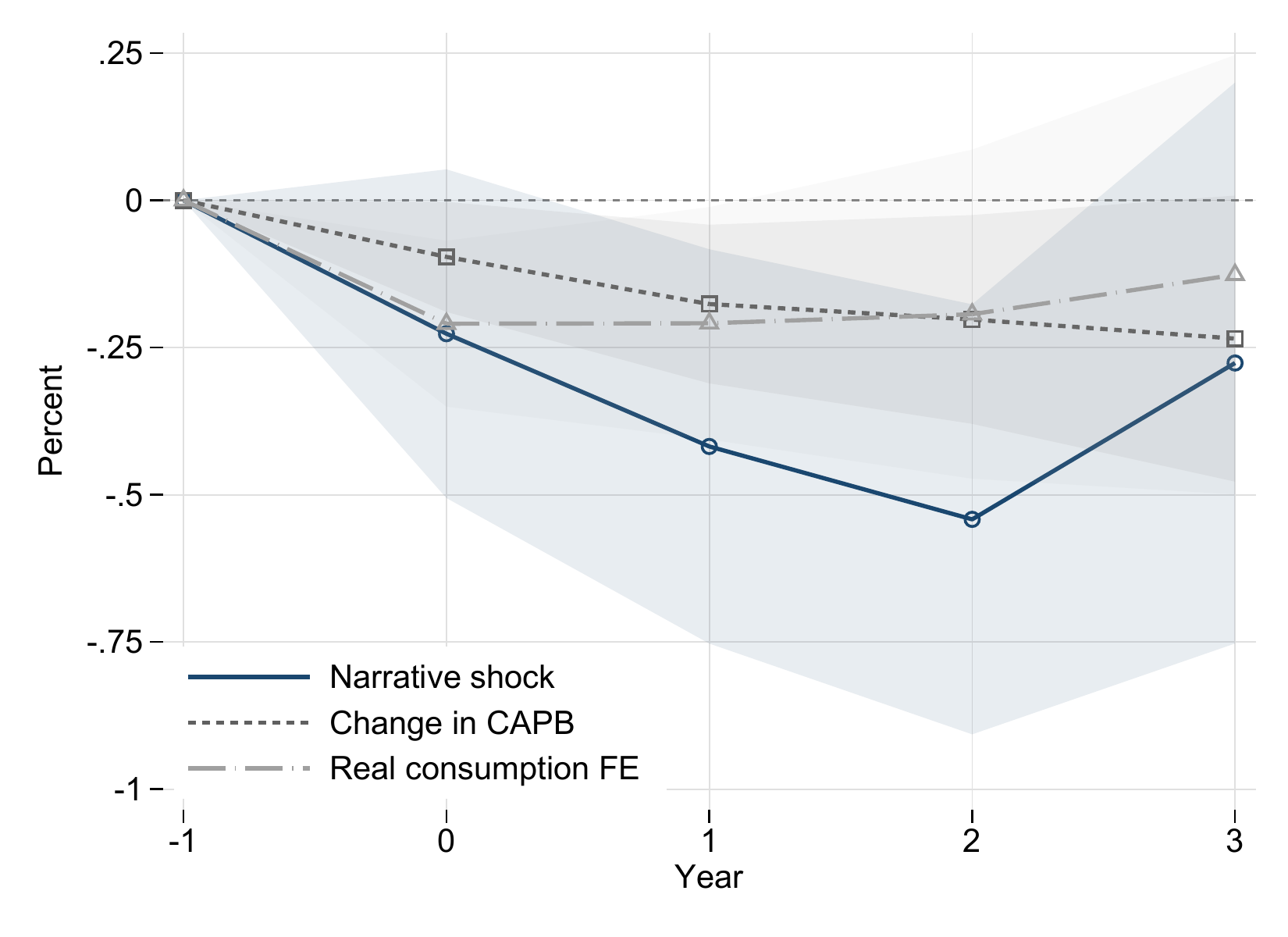
Narrative identification isolates discretionary fiscal policy actions from cyclically driven movements in deficits. Compared with identification based on the cyclically adjusted primary balance (CAPB) or on forecast errors, narrative shocks imply larger and more persistent output effects.
Dataset coverage
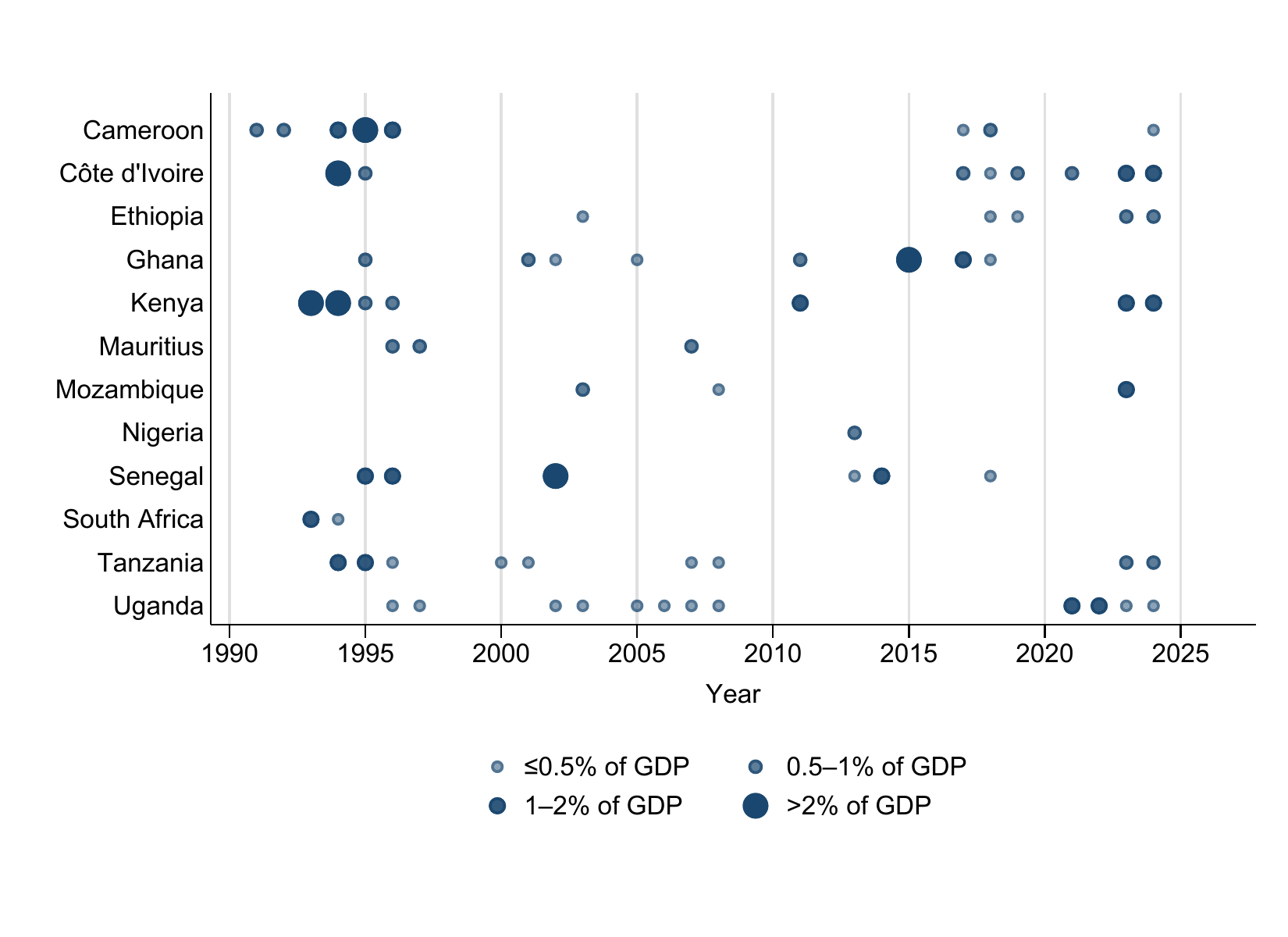
The replication dataset covers 16 Sub-Saharan African countries from 1990 onwards. The timeline below summarises the narrative fiscal consolidation episodes identified for each country.
Key heterogeneity
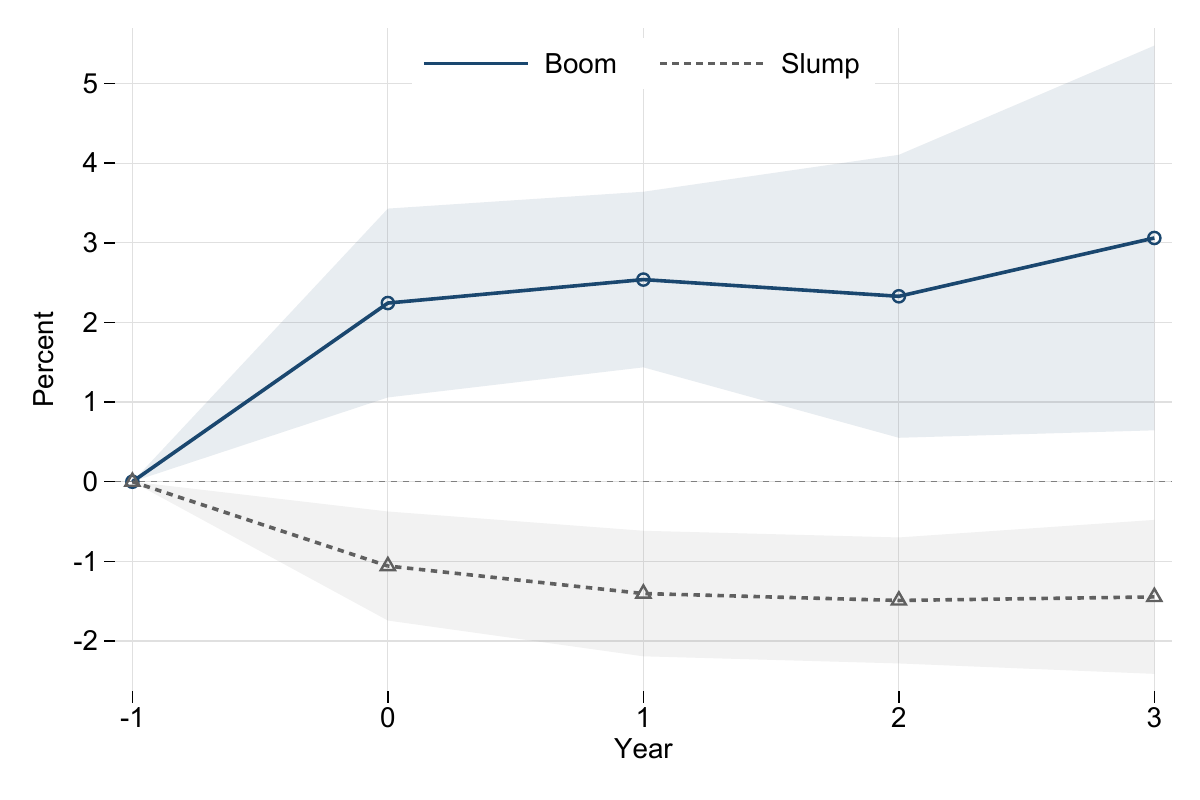
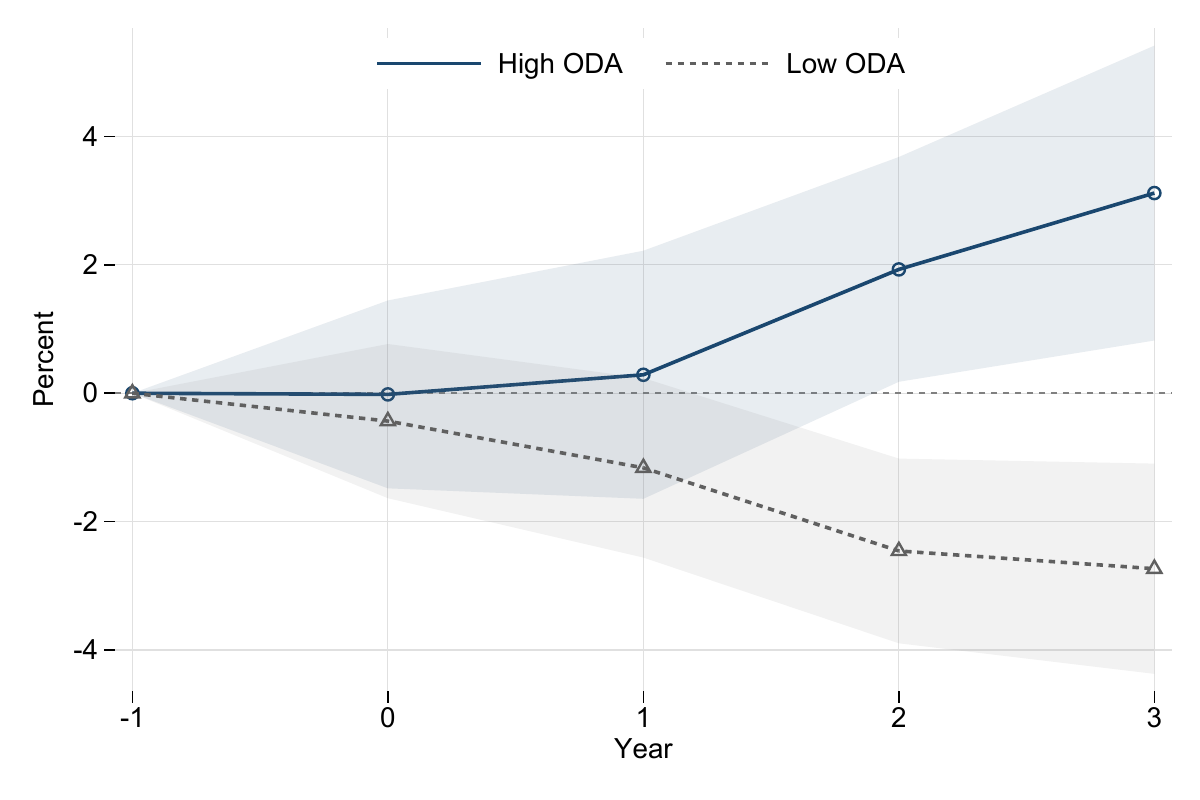
Additional results — external adjustment channels and external financing conditions
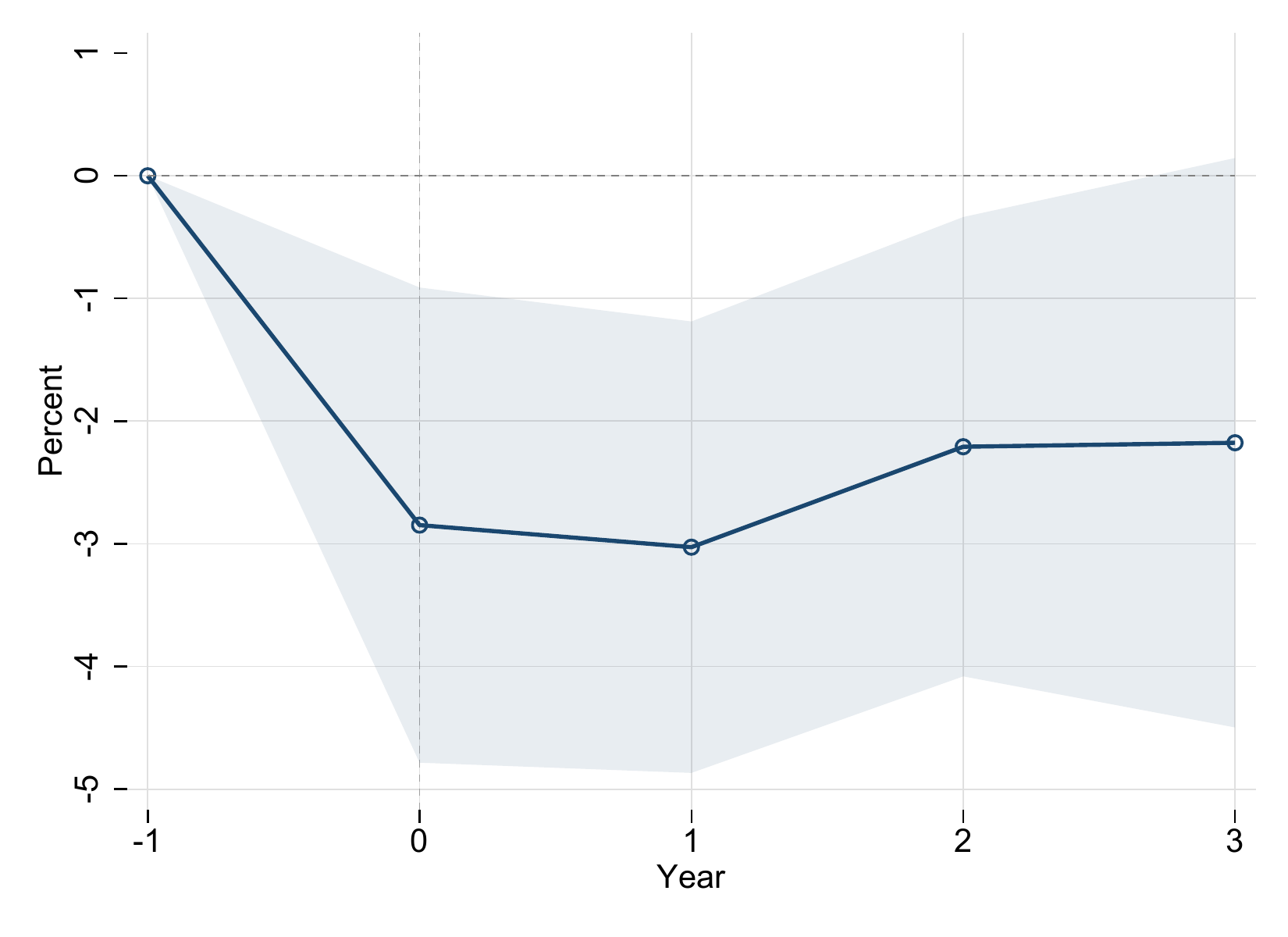
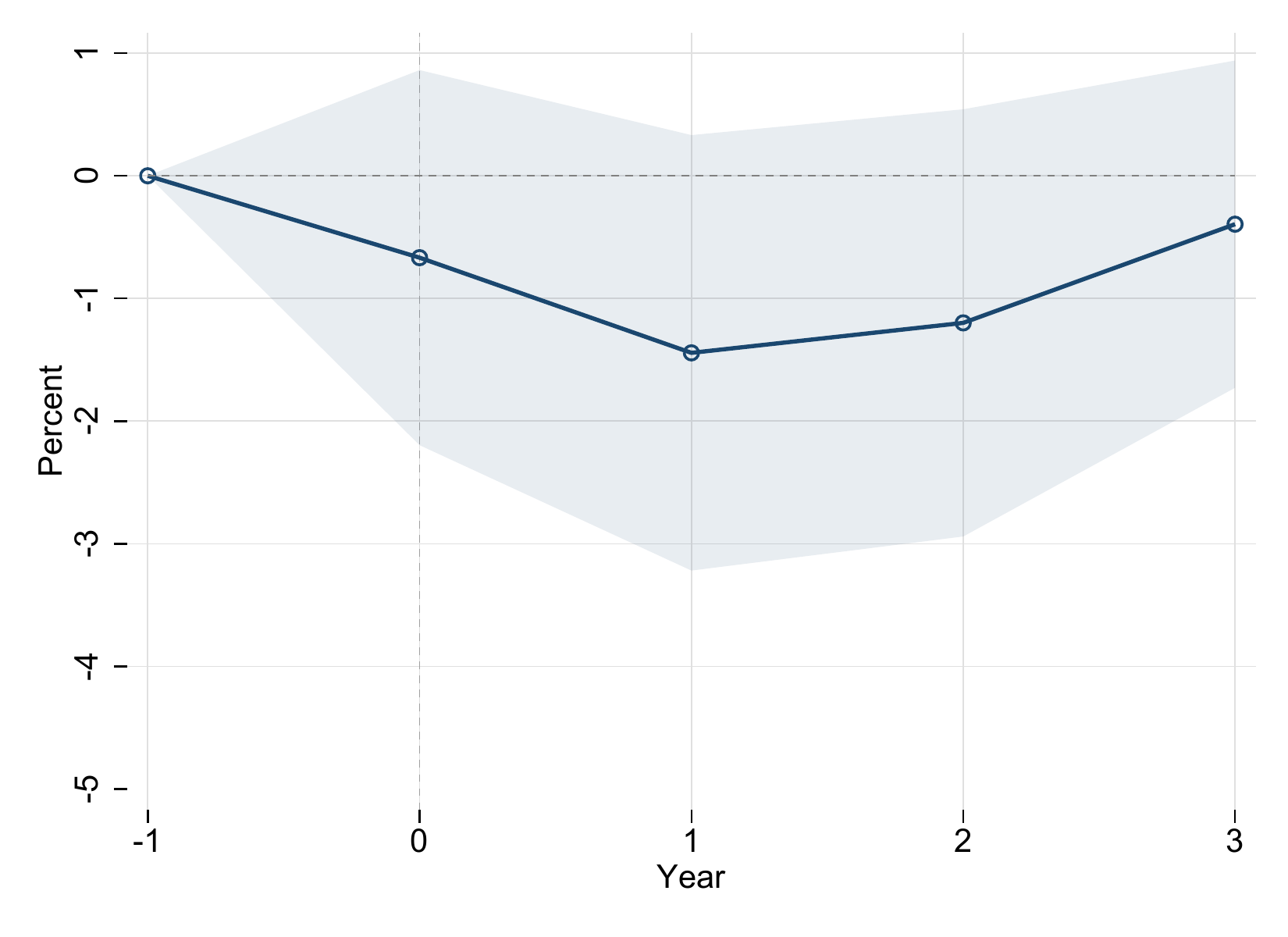
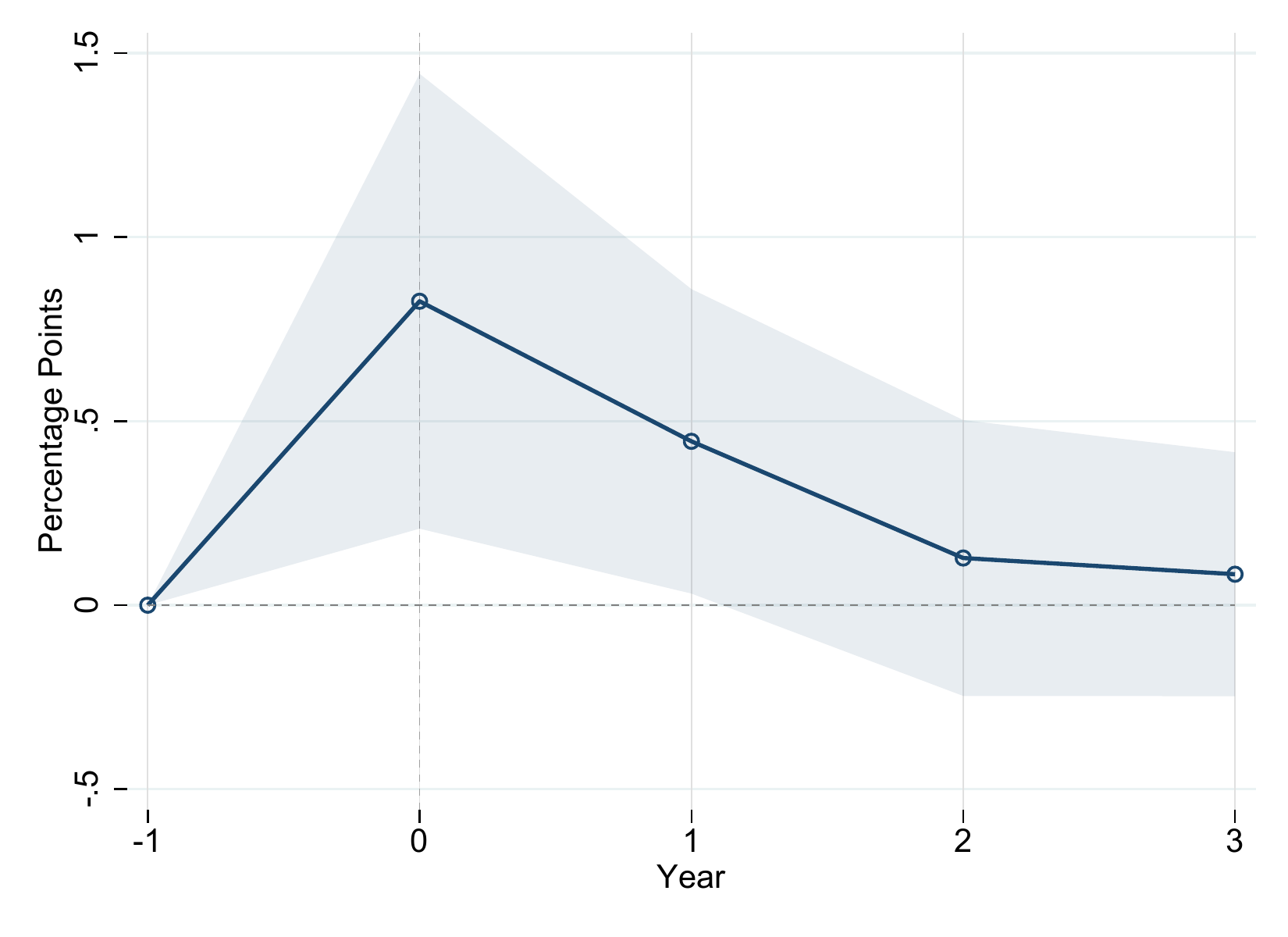
Fiscal consolidation also operates through trade and exchange-rate channels, and its effects depend on the availability of external financing.
Associated papers
The first paper documents the construction of the dataset. The second paper applies the dataset to estimate fiscal multipliers in Sub-Saharan Africa.
- A Narrative Fiscal Consolidation Dataset for Sub-Saharan Africa — DOI: 10.5089/9798229034661.001
- The Fiscal Multipliers Narrative of Sub-Saharan Africa — DOI: 10.5089/9798229037792.001
Get started in 60 seconds
Direct download: dataset.dta
# R
library(haven)
df <- read_dta("https://github.com/Hanomics/fiscal_narrative_dataset/raw/main/dataset.dta")
# Python
import pandas as pd
df = pd.read_stata("https://github.com/Hanomics/fiscal_narrative_dataset/raw/main/dataset.dta")
View country coverage table
| ISO3 | Country | First year | Last year | Episodes | | --- | --- | --- | --- | --- | | AGO | Angola | 1990 | 2024 | 0 | | CIV | Côte d'Ivoire | 1990 | 2024 | 8 | | CMR | Cameroon | 1990 | 2024 | 9 | | COD | Democratic Republic of the Congo | 1990 | 2024 | 0 | | ETH | Ethiopia | 1990 | 2024 | 5 | | GHA | Ghana | 1990 | 2024 | 8 | | KEN | Kenya | 1990 | 2024 | 6 | | MOZ | Mozambique | 1990 | 2024 | 3 | | MUS | Mauritius | 1990 | 2024 | 3 | | NGA | Nigeria | 1990 | 2024 | 1 | | RWA | Rwanda | 1990 | 2024 | 7 | | SEN | Senegal | 1990 | 2024 | 6 | | TZA | Tanzania | 1990 | 2024 | 9 | | UGA | Uganda | 1990 | 2024 | 12 | | ZAF | South Africa | 1990 | 2024 | 6 | | ZMB | Zambia | 1990 | 2024 | 2 |How to cite
APA
Abdel-Latif, H., Bechchani, K., David, A., & Lemaire, T. (2025). A Narrative Fiscal Consolidation Dataset for Sub-Saharan Africa. International Monetary Fund Working Paper. https://doi.org/10.5089/9798229034661.001
BibTeX
@techreport{abdel_latif_2025_narrative_ssa,
  author      = {Abdel-Latif, Hany and Bechchani, Khalil and David, Antonio and Lemaire, Thibault},
  title       = {A Narrative Fiscal Consolidation Dataset for Sub-Saharan Africa},
  year        = {2025},
  institution = {International Monetary Fund},
  type        = {IMF Working Paper},
  doi         = {10.5089/9798229034661.001},
  url         = {https://github.com/Hanomics/fiscal_narrative_dataset}
}
Further reading
- Methods — how consolidation episodes were identified.
- Variables — definitions of the dataset fields.
- Releases — release history and notes.
- Quotes Explorer — browse narrative evidence.
- FAQ — frequently asked questions.